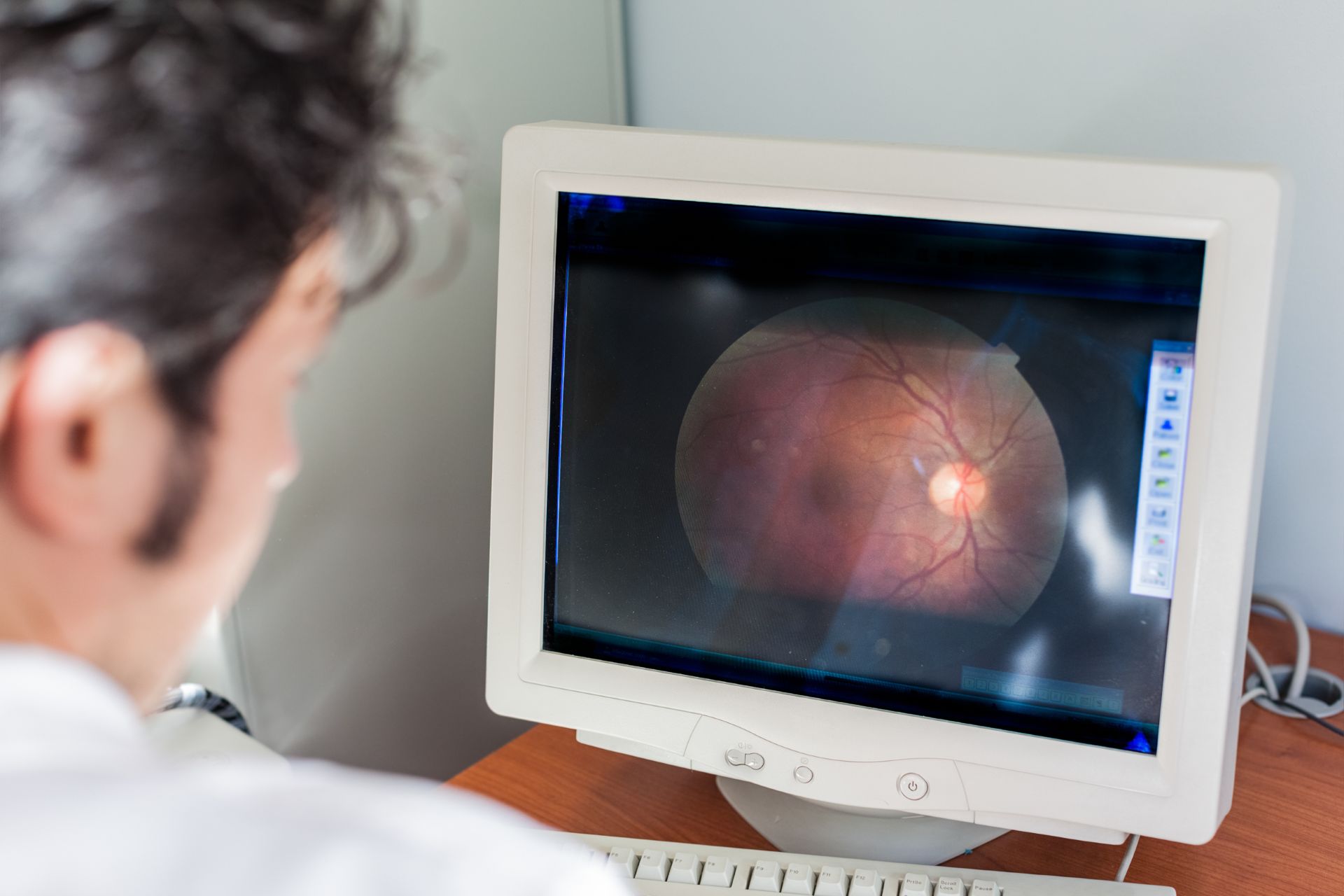
PulseSight presents PST-611 Phase I new early clinical efficacy data at EURETINA, offering a potential breakthrough approach to treat Dry AMD/Geographic Atrophy

Paris, France, October 7, 2026 – PulseSight Therapeutics SAS, an ophthalmology clinical-stage biotech company developing disruptive non-viral vectorized gene therapies with minimally invasive delivery technology, has presented further data from its PST-611 phase I clinical trial (CT1) in patients with advanced dry age-related macular degeneration (AMD), known as geographic atrophy (GA), in an oral presentation at the European Society of Retina Specialists’ 26th Euretina Congress, held 1-4 October 2026 in Vienna1.

AMD is the leading cause of central vision loss in the elderly, affecting 200 million people worldwide, and GA remains a high unmet need as no treatments are approved in Europe for this condition.

The CT1 phase I trial was a first-in-human study aimed at evaluating the safety and tolerability of a single PST-611 administration. A total of six patients with advanced dry AMD/GA were treated with one dose of PST-611 in two successive cohorts at two escalating dose levels with a four-month follow-up. Previous results presented at ARVO in May 2026 demonstrated that PST-611-CT1 met the primary and secondary objectives, demonstrating excellent safety and tolerability at both dose levels.

Following spontaneous reports from study participants claiming a vision improvement after PST-611 administration and clinical observation of the OCTs showing a slowing of GA lesion growth dynamic, PulseSight performed a quantitative post hoc analysis using RetinAI Discovery® platform and AI models to quantify structural changes in four OCT biomarkers of retina cell loss, before and after the administration of PST-611. The data were presented at Euretina, showing positive early signals of efficacy in five out of six treated patients.

In the full study population, all biomarkers, measured over the four-month period after treatment versus before, presented a consistent mean reduction of their growth rate ranging from 35 to 52%, supporting PST-611’s ability to protect and preserve RPE and photoreceptors in GA patients. Specifically, the mean RPE depletion growth rate dropped by 40% over the four-month period compared to before, a remarkable effect size in such an early onset.

The spontaneous, yet specific reports by the study participants of vision improvement in their daily activities, associated with the reduction in photoreceptors’ specific markers (ellipsoid zone (EZ) depletion rate (35%) as well as EZ thickness loss rate (52%)), are positive signs that PST-611 could also have the potential to preserve visual function.

PST-611 is a first-in-class therapy candidate encoding transferrin that plays a key role in the control of iron homeostasis. Dry AMD/GA is associated with a dysregulation of iron levels and oversaturation of transferrin. Through the expression of transferrin, PST-611 intervenes in a key upstream mechanism of GA pathogenesis and, thus, targets the multiple downstream biological cascades that drive the disease progression.

Presenting the results, PulseSight’s CMO George Weissgerber, MD, said, “We are thrilled by the positive outcome of our first-in-human study of PST-611. The study data demonstrate the excellent safety profile of PST-611, which is fundamental for patients, and this post hoc quantitative OCT biomarker analysis shows very promising signals of efficacy. Indeed, the effect size, the consistency of the results in the responding eyes, the improvement in structural biomarkers as well as reports of functional improvements and the early onset of effect, lasting over four months after a single administration are remarkable. These are very valuable insights as we initiate our phase 2 trial, which aims to confirm the safety and efficacy profile of PST-611.”

Prof Francine Behar Cohen, inventor of PulseSight’s technology and principal investigator at the Department of Ophthalmology, Cochin – Assistance Publique-Hôpitaux de Paris (AP-HP), said, “The results from the study are very encouraging. It adds to the validation of PulseSight’s technology platform and supports the interest in targeting ferroptosis as a novel therapeutic approach in dry AMD and GA. PST-611 has shown an excellent safety profile and clear early efficacy signals in this first-in-human trial and I am very enthusiastic to be part of the next-stage clinical trials.”

Judith Greciet, PulseSight‘s CEO, added, “It is a very special moment for PulseSight, translating our research into human data and uncovering PST-611’s clinical profile. The CT1 study has confirmed the excellent safety profile and remarkable early efficacy signals. The long-lasting effect allows us to reduce treatments to 2-3 times a year, strongly improving patients’ compliance. We believe PST-611 has the potential to be a blockbuster, first-in-line treatment for GA, where a critical unmet patient need remains. We are eager to commence the phase IIa trial to further confirm these data in a larger cohort over a longer treatment period.”

The phase IIa trial (PST-611-CT2a) aims to assess PST-611’s safety and efficacy in up to 24 patients, after up to three administrations over 12 months. This trial is planned to start in H2 2026 with results available in 2028.

  1. Oral presentation: Session 6 #138, Presenter: George Weissgerber, MD, Title: Transferrin in geographic atrophy patients using non-viral ocular gene therapy: safety, tolerability and early efficacy results from PST-611-CT1, a first-in-human trial, Date: 2 October 2026. See Abstract.

-ENDS-

Media contact

Sue Charles, Charles Consultants
T: +44 (0)7968 726585
E: sue@charles-consultants.com

About Age-related Macular Degeneration (AMD)

AMD develops with aging. It is a disease with progressive, painless loss of central vision with a strong burden on patients’ everyday life, impacting their ability to read, recognize faces and see objects, and ultimately leading to irreversible central vision loss. Dry AMD is the most common form of AMD, progressing through successive stages into the late form of dry AMD, also called geographic atrophy (GA). Wet AMD is a less common type of late AMD causing faster vision loss. Any stage of dry AMD can turn into wet AMD. In all its forms, AMD represents a compelling unmet need for more effective and durable treatment options, with a large and growing market, estimated to reach $27.5 billion by 2031.

About PulseSight Therapeutics

PulseSight is a clinical-stage biotech company committed to developing disruptive non-viral vectorized therapies with minimally invasive delivery technology for the treatment of retinal disease with a focus on age-related macular degeneration (AMD) including wet AMD and geographic atrophy (GA) secondary to dry AMD.

PulseSight’s technology platform delivers DNA plasmids encoding therapeutic proteins into the ciliary muscle using an electro-transfection system. The ciliary muscle cells act as biofactories, expressing therapeutic proteins that reach the retina with high distribution, providing a safe and long-acting treatment for major eye diseases.

About PST-611 for GA

PST-611 encodes the human transferrin protein, a crucial regulator of iron homeostasis, and holds the potential to effectively address key pathological mechanisms in dry AMD/GA.

Dry AMD involves the dysregulation of iron homeostasis, resulting in an excess of free iron.

Iron is crucial for proper cell function; however, excess free iron is highly toxic, inducing a Fenton reaction at the mitochondrial level, responsible for multiple toxic pathways, oxidative stress, lipid peroxidation and inflammation, ultimately leading to ferroptosis, a well-established cell death mechanism.

Transferrin is an endogenous protein playing a central role in the regulation of iron homeostasis.

Thanks to the innovative delivery technology, PST-611 expresses transferrin, which reaches the retina and restores normal free:bound iron balance, preventing the toxic cascade initiation upstream.

PST-611 has been shown to protect photoreceptors and retinal pigment epithelium (RPE) cells from death and to preserve visual function in animal models.

PulseSight is based in Paris, France, and its investors are Pureos Bioventures, ND Capital and Korea Investment Partners (KIP).

For more information visit www.PulseSightTherapeutics.com

Watch the video of the technology here: www.PulseSightTherapeutics.com

Follow us on LinkedIn – https://www.linkedin.com/company/pulsesight-therapeutics/

EURETINA: PulseSight Therapeutics to Present Results of Phase 1 clinical trial of PST-611 treatment for dry AMD/Geographic Atrophy (GA)

Late Breaking Oral Presentation at 26th EURETINA Congress, 1-4 October 2026, Vienna

Paris, France, 16 September 2026 – PulseSight Therapeutics SAS, an ophthalmology clinical stage biotech company developing disruptive non-viral vectorized gene therapies with minimally-invasive delivery technology, will be presenting the results from its first-in-human, Phase 1 clinical trial of its lead clinical candidate PST-611 in a late breaking oral presentation at the European Society of Retina Specialists 26th EURETINA Congress 1-4 October 2026 in Vienna.

A total of six patients were treated with one dose of PST-611 in two successive cohorts at two dose levels with a four-month follow-up. This first-in-human trial aimed to assessing safety and tolerability of PST-611 in patients with late stage dry Age-related Macular Degeneration (AMD)/Geographic Atrophy (GA). Results demonstrate that PST-611-CT1 met the primary and secondary objectives, with PST-611 demonstrating excellent safety and tolerability at both dose levels. In addition, pronounced early signals of efficacy, both functional and anatomical, have been observed in 5 out of the 6 patients treated, alongside spontaneous patient-reported improvement in their vision in daily life activities.

Presentation details

Oral presentation: Session 6 #138
Presenter: Georges Weissgerber, MD
Title: Transferrin in geographic atrophy patients using non-viral ocular gene therapy : safety, tolerability and early efficacy results from PST-611-CT1, a first-in-human trial
Timing: 2 October 2026, 13:05

AMD is the leading cause of central vision loss in the elderly, affecting 200 million people worldwide.  Geographic Atrophy, the advanced form of dry AMD, remains a high unmet need as no treatments are approved in Europe for this condition.

-ENDS-

Media contact

Sue Charles, Charles Consultants
T: +44 (0)7968 726585
E: sue@charles-consultants.com

About Age-related Macular Degeneration (AMD)
AMD is a progressive retinal disease associated with aging that affects approximately 200 million people globally. Dry AMD is the most common form and can progress to its late stage, geographic atrophy (GA). GA is characterized by enlarging, irreversible atrophic lesions driven by retinal cell degeneration, ultimately leading to permanent central vision loss in many patients. GA affects approximately 1 million people in the United States, more than 1.5 million in Europe, and over 5 million worldwide. It represents a major unmet medical need, with a profound impact on quality of life, including the ability to read, recognize faces, drive, and perform daily activities. Overall, AMD remains a significant unmet need for more effective and durable treatment options, with a large and growing market estimated to reach $27.5 billion by 2031.

About PST-611 for GA
PST-611 encodes the human transferrin protein, a key regulator of iron homeostasis, and has the potential to target the underlying disease biology involved in dry AMD and geographic atrophy (GA). Dry AMD is associated with dysregulation of iron homeostasis, resulting in excess free iron in retinal tissues. While iron is essential for normal cellular function, excess free iron is highly toxic and contributes to oxidative stress, lipid peroxidation, inflammation, and ferroptosis, a well-established mechanism of programmed cell death.

Transferrin is an endogenous protein that plays a central role in regulating iron balance. Using PulseSight’s innovative delivery technology, PST-611 expresses transferrin,  restoring iron balance thus preventing initiation of downstream toxic pathways.

PST-611 has completed a 12-month First-in-Human open-label study demonstrating excellent safety and tolerability, with encouraging signals of early efficacy both functional, with spontaneous patient feedback of vision improvements, and anatomical. Earlier preclinical studies of PST-611 have demonstrated protection of photoreceptors and retinal pigment epithelium (RPE) cells and preservation of visual function in animal models.

About PulseSight Therapeutics
PulseSight is a clinical-stage biotech company committed to developing disruptive non-viral vectorized therapies with minimally invasive delivery technology for the treatment of retinal disease with a focus on age-related macular degeneration (AMD) including wet AMD and geographic atrophy (GA) secondary to dry AMD.

Already clinically validated for its safety, PulseSight’s technology platform delivers DNA plasmids encoding therapeutic proteins into the ciliary muscle using an electro-transfection system. The ciliary muscle cells act as biofactories, expressing therapeutic proteins that reach the retina with high distribution, providing a safe and long-acting treatment for major eye diseases.

Based in Paris, France, PulseSight’s investors are Pureos Bioventures, ND Capital and Korea Investment Partners (KIP).


For more information visit www.PulseSightTherapeutics.com

Watch the video of the technology here: https://pulsesight.com/technology/

Follow us on LinkedIn – https://www.linkedin.com/company/pulsesight-therapeutics/

Positive Results from PulseSight’s Phase I Clinical Trial of PST-611 in Dry AMD/Geographic Atrophy Presented at ARVO 2026

Paris, France, May 11, 2026 – PulseSight Therapeutics SAS, an ophthalmology clinical stage biotech company developing disruptive non-viral vectorized gene therapies with minimally-invasive delivery technology, has reported the results of its PST-611 Phase 1 clinical trial (PST-611-CT1), in patients with late-stage dry Age-related Macular Degeneration (AMD) called Geographic Atrophy (GA), in a podium presentation at the ARVO 2026 Annual Meeting.

GA is a multifactorial disease involving a dysregulation of iron homeostasis. PST-611 is a first-in-class gene therapy candidate encoding transferrin, a natural iron transporter playing a key role in iron homeostasis.

PST-611-CT1 is a single ascending dose first-in-human trial that evaluated the safety and tolerability of two dose levels (low and high) of PST-611 in two successive dose groups, in a total of six patients, with a 16-week follow-up.

The trial was conducted in Paris and Grenoble by Professor Francine Behar-Cohen MD, PhD, lead investigator at the Department of Ophthalmology, Cochin – Assistance Publique-Hôpitaux de Paris (AP-HP) and Professor Christophe Chiquet, MD, PhD, at the Department of Ophthalmology, CHU Grenoble Alpes.

PST-611-CT1 met the primary and secondary objectives, with PST-611 demonstrating excellent safety and tolerability at both dose levels. Most reported ocular adverse events were mild, with two assessed as moderate. There were no observations of intraocular inflammation, and no treatment emergent serious adverse events (SAE) or suspected unexpected serious adverse reactions (SUSAR) were reported. The Best Corrected Visual Acuity (BCVA) was stable over the entire follow-up period.

Even though the study was not designed to assess efficacy, encouraging signals of early efficacy were observed, both functional, with spontaneous patient feedback of vision improvements, and anatomical, with associated inflections of the GA lesion growth. In one case the observed efficacy signal lasted beyond the trial follow-up period.

Based on these positive outcomes, PulseSight plans to start a repeat dose Phase 2a clinical trial to assess the safety and explore the efficacy of three administrations of PST-611 (high dose) over 52 weeks.

Presenting the results, Professor Francine Behar-Cohen said, “Geographic atrophy is a progressive, sight-threatening disease with no effective treatment currently available in Europe— the unmet medical need is real and urgent. These Phase 1 results are therefore particularly meaningful. PST-611 demonstrated excellent tolerability, which is fundamental when treating patients with a chronic condition. What makes these results stand out are the early efficacy signals we observed, both anatomically and functionally. I look forward to the Phase 2a trial, which will allow us to confirm the therapeutic potential of PST-611 over a longer follow-up and in a larger group of patients.”

Judith Greciet, PulseSight‘s Chief Executive Officer, said, “We are thrilled by the outcome of our first-in-human study of PST-611. The trial met its primary objective with an excellent safety profile and went beyond our expectations: we observed early functional and anatomical efficacy signals, notably spontaneous reports from several participants of noteworthy vision improvements — after a single dose and just four months of follow-up. This is a highly encouraging result for a Phase 1 trial, and a significant milestone for the company. We are now advancing PST-611 into a Phase 2a trial, currently under regulatory review, with enrolment expected to begin after the summer.”

PulseSight has submitted a Clinical Trial Authorization (CTA) application to the French regulatory authority, Agence Nationale de Sécurité du Médicament et des produits de santé (ANSM), of a repeat dose, 52-week, Phase 2a trial (PST-611-CT2) designed to assess the safety and explore the efficacy of three administrations of PST-611 in up to 20 patients, in 3 clinical trial sites. Subject to CTA approval, the trial is anticipated to begin in H2 2026, with results expected in 2028.

 Professor Francine Behar-Cohen


-ENDS-

Media contact

Sue Charles, Charles Consultants
T: +44 (0)7968 726585
E: sue@charles-consultants.com

About Age-related Macular Degeneration (AMD)
Age-related macular degeneration (AMD) is a progressive retinal disease associated with aging that affects approximately 200 million people globally. Dry AMD is the most common form and can progress to its late stage, geographic atrophy (GA). GA is characterized by enlarging, irreversible atrophic lesions driven by retinal cell degeneration, ultimately leading to permanent central vision loss in many patients. GA affects approximately 1 million people in the United States, more than 1.5 million in Europe, and over 5 million worldwide. It represents a major unmet medical need, with a profound impact on quality of life, including the ability to read, recognize faces, drive, and perform daily activities. Overall, AMD remains a significant unmet need for more effective and durable treatment options, with a large and growing market estimated to reach $27.5 billion by 2031.

About PST-611 for GA

About PulseSight Therapeutics
PulseSight is a clinical-stage biotech company committed to developing disruptive non-viral vectorized therapies with minimally invasive delivery technology for the treatment of retinal disease with a focus on age-related macular degeneration (AMD) including wet AMD and geographic atrophy (GA) secondary to dry AMD.

PulseSight’s technology platform delivers DNA plasmids encoding therapeutic proteins into the ciliary muscle using an electro-transfection system. The ciliary muscle cells act as biofactories, expressing therapeutic proteins that reach the retina with high distribution, providing a safe and long-acting treatment for major eye diseases.


About PST-611 for GA
PST-611 encodes the human transferrin protein, a key regulator of iron homeostasis, and has the potential to target the underlying disease biology involved in dry AMD and geographic atrophy (GA).

Dry AMD is associated with dysregulation of iron homeostasis, resulting in excess free iron in retinal tissues. While iron is essential for normal cellular function, excess free iron is highly toxic and contributes to oxidative stress, lipid peroxidation, inflammation, and ferroptosis, a well-established mechanism of programmed cell death.

Transferrin is an endogenous protein that plays a central role in regulating iron balance. Using PulseSight’s innovative delivery technology, PST-611 is designed to deliver transferrin to the retina to restore physiological iron balance and prevent initiation of downstream toxic pathways.

In preclinical studies, PST-611 demonstrated protection of photoreceptors and retinal pigment epithelium (RPE) cells and preservation of visual function in animal models.

Based in Paris, France, PulseSight’s investors are Pureos Bioventures, ND Capital and Korea Investment Partners (KIP).

For more information visit www.PulseSightTherapeutics.com

Watch the video of the technology here: https://pulsesight.com/technology/

Follow us on LinkedIn – https://www.linkedin.com/company/pulsesight-therapeutics/

Last patient, last visit completed in Phase I clinical trial of PulseSight Therapeutics’ PST-611 treatment for dry AMD/Geographic Atrophy (GA)

Results to be presented at ARVO 2026 Annual Meeting

Paris, France, April 23, 2026 – PulseSight Therapeutics SAS, an ophthalmology clinical stage biotech company developing disruptive vectorized gene therapies with minimally-invasive delivery technology, will be presenting the results of its PST-611 phase I clinical trial at the ARVO 2026 Annual Meeting May 3-7 in Denver, Colorado.

With the follow up of the last patient treated completed, the company is preparing trial read out for presentation at the 2026 ARVO Annual Meeting by Professor Behar-Cohen, MD, PhD, lead investigator at the Department of Ophthalmology, Cochin – Assistance Publique-Hôpitaux de Paris (AP-HP).

A total of six patients were treated with PST-611 in two successive cohorts at two dose levels over the past year in a phase I trial to assess its safety and tolerability, as non-viral vectorized therapy for dry Age-related Macular Degeneration (AMD)/Geographic Atrophy (GA). The study was conducted in Paris and Grenoble by Professor Francine Behar-Cohen and Professor Christophe Chiquet, MD, PhD, at the Department of Ophthalmology, CHU Grenoble Alpes.

Presentation details

Presenter: Professor Behar-Cohen
Abstract/Presentation Title/Number: Transferrin in geographic atrophy patients using non-viral ocular gene therapy : Results from PST-611-CT1, a First-in-Human trial – #5926
Session Title/Timing/Number: Diabetic retinopathy and related disorders – #546
Session Timing/Location: May 7, 2026, 14:00 -15:45, Room – Mile High 1C
Presentation Timing: 15:30 – 15:45

AMD is the leading cause of central vision loss in the elderly, affecting 200 million people worldwide.  Geographic Atrophy, the advanced form of dry AMD, remains a high unmet need for efficient and well tolerated treatment that prevents disease progression.

PST-611 is a first-in-class candidate, expressing transferrin, a natural iron transporter playing a key role in the control of normal iron homeostasis. Dry AMD involves the dysregulation of iron homeostasis, leading to an excess of free iron causing highly toxic effects such as inflammation, oxidative stress, and ultimately retinal cell death (ferroptosis). PST-611 has been shown to protect photoreceptors and retinal pigment epithelium (RPE) cells from death and to preserve visual function in animal models.

George Weissgerber, MD, PulseSight‘s Chief Medical Officer, said, “Presentation of the results of our first in human clinical trial of PST-611 at a major ophthalmology conference is a significant milestone for the company. The progress made over the past year is very encouraging for the project and for patients.  We will be building upon this trial in the planned phase IIa study to further demonstrate PST-611’s potential for the treatment of AMD/GA patients.”

-ENDS-

Media contact

Sue Charles, Charles Consultants
T: +44 (0)7968 726585
E: sue@charles-consultants.com

About Age-related Macular Degeneration (AMD)
AMD develops with aging. It is a disease with progressive, painless loss of central vision with a strong burden on patients’ everyday life, impacting their ability to read, recognize faces and see objects, and is ultimately leading to irreversible central vision loss. Dry AMD is the most common form of AMD, progressing through successive stages into the late form of dry AMD also called geographic atrophy (GA). Wet AMD is a less common type of late AMD causing faster vision loss. Any stage of dry AMD can turn into wet AMD. In all its forms, AMD represents a compelling unmet need for more effective and durable treatment options, with a large and growing market, estimated to reach $27.5 Billion by 2031.

About PST-611 for GA
PST-611 encodes the human transferrin protein, a crucial regulator of iron homeostasis and holds the potential to effectively address key pathological mechanisms in dry AMD/GA. Results from a phase 1 trial of PST-611 will be presented at ARVO 2026.

About PulseSight Therapeutics
PulseSight is a clinical-stage biotech company committed to developing disruptive non-viral vectorized therapies with minimally invasive delivery technology for the treatment of retinal disease with a focus on age-related macular degeneration (AMD) including wet AMD and geographic atrophy (GA) secondary to dry AMD.

Already clinically validated for its safety, PulseSight’s technology platform delivers DNA plasmids encoding therapeutic proteins into the ciliary muscle using an electro-transfection system. The ciliary muscle cells act as biofactories, expressing therapeutic proteins that reach the retina with high distribution, providing a safe and long-acting treatment for major eye diseases.

Based in Paris, France, PulseSight’s investors are Pureos Bioventures, ND Capital and Korea Investment Partners (KIP).

For more information visit www.PulseSightTherapeutics.com

Watch the video of the technology here: https://pulsesight.com/technology/

Follow us on LinkedIn – https://www.linkedin.com/company/pulsesight-therapeutics/